America’s largest-ever seizure of Chinese meth precursor chemicals has exposed the global supply chain fueling cartel drug operations—and delivered a decisive blow against foreign actors undermining our borders and communities.
Story Snapshot
- Federal agents intercepted 363,000 pounds of benzyl alcohol and 334,000 pounds of N-Methylformamide shipped from China to Mexico, intended for the Sinaloa Cartel.
- Seized chemicals could have produced 420,000 pounds of meth valued at over $569 million, marking the biggest bust of its kind.
- U.S. Treasury imposed sanctions on Chinese suppliers linked to illicit opioid shipments.
- Officials stress the operation’s strategic focus: disrupting synthetic drug production at the supply chain’s source.
Federal Seizure Targets Global Cartel Supply Chains
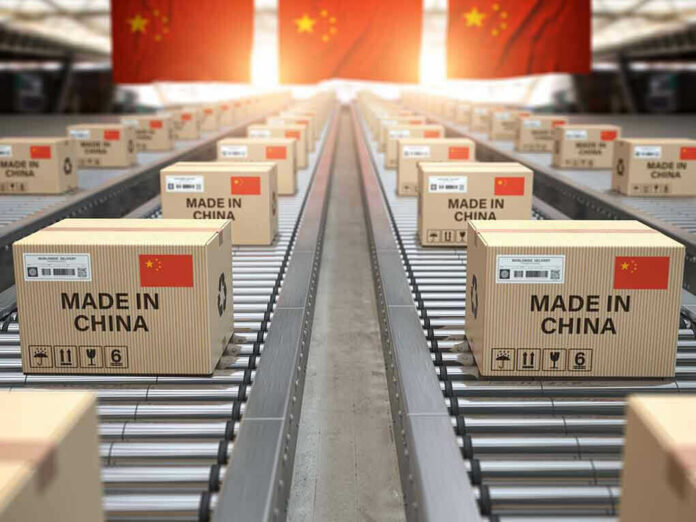
On September 3, 2025, federal authorities announced the interception of two massive maritime shipments originating from Shanghai, China. The cargo—1,300 barrels of benzyl alcohol and N-Methylformamide—was destined for Mexico’s notorious Sinaloa Cartel. By seizing these chemicals on the high seas, law enforcement prevented the manufacture of hundreds of thousands of pounds of methamphetamine, dealing a direct financial and operational blow to cartel networks. Officials emphasized that this milestone operation reflects a shift toward targeting precursor chemicals before they reach cartel labs, rather than chasing finished drugs after they flood American streets.
This strategic crackdown comes amid escalating pressure on China to regulate chemical exports linked to the opioid and methamphetamine crisis plaguing U.S. families. For years, Chinese suppliers have exploited regulatory loopholes to ship dual-use chemicals to Mexican cartels, fueling an epidemic of addiction and overdose. With the Sinaloa Cartel leveraging sophisticated logistics and global contacts, the U.S. government’s decision to designate major cartels as foreign terrorist organizations has expanded enforcement powers—allowing more robust interdiction and international cooperation to defend America’s borders and communities.
Sanctions and Enforcement: Hitting Cartels Where It Hurts
In tandem with the record seizure, the U.S. Treasury issued sanctions targeting Guangzhou Tengyue Chemical Co., Ltd. and its representatives for their involvement in illicit opioid shipments. By freezing assets and restricting financial transactions, these measures aim to choke off the economic incentives driving chemical exports that fuel cartel profits. Law enforcement leaders—including U.S. Attorney Jeanine Pirro and ICE Acting Director Todd Lyons—highlighted that disrupting supply lines at the precursor stage is far more effective than focusing solely on intercepting finished methamphetamine. Officials acknowledge that cartels remain highly adaptive, but stress that such hits to their infrastructure can slow their operations and force them to scramble for new suppliers—raising costs and risks to their criminal enterprise.
The current enforcement push builds on a history of bilateral and multilateral efforts to stem precursor chemical flows. Previous seizures at U.S. and Mexican ports and indictments against Chinese companies have demonstrated the importance of international collaboration. However, the persistence of synthetic drug threats underscores the need for continued vigilance, regulatory tightening, and intelligence sharing among global partners. As the U.S. doubles down on precursor interdiction, Chinese regulatory cooperation remains a critical variable for long-term success in safeguarding American communities.
Short-Term Wins and Long-Term Challenges
The immediate impact of the seizure is clear: the Sinaloa Cartel has suffered a loss exceeding $569 million in potential meth sales, and U.S. streets may see a temporary dip in meth supply. Law enforcement agencies and affected communities benefit from the disruption, while criminal organizations face economic setbacks. Yet experts warn that cartels are resourceful and may seek alternative suppliers or trafficking routes. Increased scrutiny of chemical exports from China is likely, but without robust international oversight, regulatory gaps may persist. The seizure offers political leverage in negotiations with China and Mexico, positioning the U.S. as a leader in the fight against transnational narcotics trafficking.
Feds intercept 1,300 barrels of meth precursor chemicals shipped from China to Mexico https://t.co/F9cND894w5 #FoxNews
— Itto-Ahh-sooo (@itto13bitty) September 3, 2025
Broader industry effects include heightened compliance requirements for chemical exporters and intensified cooperation among governments to monitor precursor flows. DEA and DHS officials stress that targeting the source of synthetic drugs—rather than just the end product—is essential to stemming the tide of meth and fentanyl that devastate American families. Industry experts and academic analysts agree: enforcement alone is not enough. Addressing demand, closing regulatory loopholes, and maintaining diplomatic pressure on supplier nations remain key to defending conservative values, protecting U.S. sovereignty, and restoring safety to communities.
Sources:
State Department: 2025 International Narcotics Control Strategy Report
DEA: 2025 National Drug Threat Assessment
DHS: Fentanyl Enforcement Highlights