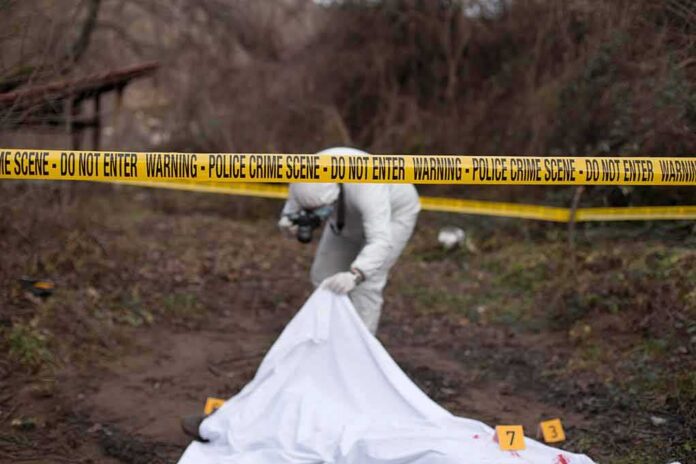
A network told a half-story about a woman found hanging from a tree; the missing facts matter more than the headline.
Story Snapshot
- Police called it an active death investigation, not a lynching probe.
- A councilman sought federal help before autopsy results were released.
- The family rejected suicide but did not endorse a racial-lynching claim.
- Mississippi’s history shaped coverage, but officials had not confirmed foul play.
What Happened In Jackson And What Was Left Out
Jackson police found the body of 29-year-old Tasia Fortune hanging from a tree behind a vacant house on August 3, 2023. The department announced an active and ongoing death investigation and did not label the case a homicide or hate crime. Officials said the Hinds County coroner identified Fortune and that the Mississippi medical examiner would determine cause and manner of death. That is the sober frame, and it is the piece many viewers never heard up front.
Coverage from major outlets leaned hard on Mississippi’s painful history. Some reports drew fast lines between a horrific image and a historic crime. The facts on the ground were narrower. Police had not named suspects. Authorities had not confirmed foul play. The medical examiner’s report was still pending. A story built on emotion ran ahead of forensics, and that gap confuses the public more than it informs them.
The Councilman’s Letter And The Rush For Federal Backing
Jackson City Council member Kenneth Stokes wrote the United States Attorney seeking help. He invoked the specter of past racial killings and asked for federal eyes on the case. That step shows urgency, but it also arrived before the science. The autopsy and toxicology had not settled how Fortune died. Calls for federal action can be wise, yet they can also harden a frame the evidence has not nailed down.
Good process is boring but vital. First responders collect the scene details. The coroner certifies identity. The medical examiner studies ligature marks, hyoid bone, tox screens, and trace evidence. Detectives test whether self-suspension was possible at that site. None of that is theater. It is the difference between truth and narrative. Media should track those steps, not race past them to fit an old template.
The Family’s Voice, The Public’s Fears, And The Record So Far
Fortune’s mother said her daughter did not do this to herself. That pain deserves respect. The same reporting also said the family did not want the death linked to racially motivated violence. Those two points were often split apart on air. One builds a murder claim. The other turns down a lynching frame. Both belong together if people are to grasp the unresolved nature of the case.
The hanging death of 29-year-old Tasia Fortune in Jackson, Mississippi, has raised questions as police investigate the circumstances surrounding her death. https://t.co/gYVph2CwLz
— FOX 13 Seattle (@fox13seattle) August 13, 2026
Police asked the public for tips while declining details during the open probe. That restraint is common. It also leaves a vacuum that pundits love to fill. Responsible coverage should keep two lines clear: what is known and what is feared. Known: a woman was found hanging, and authorities were investigating without a declared cause or manner. Feared: a return of racial terror. News must not sell fear as fact.
How To Cover A Charged Case Without Warping It
Editors should lead with the status of the evidence. Say who found what, where, and when. State what police have, and more importantly, what they do not. Name what tests are pending and why they matter. When a politician invokes history, print it, then pair it with the record. When a mother rejects suicide, print it, then state the autopsy is the decider. That balance is not hedging; it is honesty.
American conservatives and common-sense readers share a test: facts first, frames second. They expect media to resist using grief as a lever. They expect the press to withhold verdicts until the science arrives. That discipline protects all communities. If the examiner rules homicide, the country needs to see it proven and punished. If the ruling is suicide or undetermined, the country needs to accept it without feeling misled by headlines written too soon.
What To Watch Next And Why Patience Pays
Autopsy and toxicology will carry real weight. Scene measurements and first responder notes can show whether self-suspension was possible and whether staging signs exist. Witness accounts and dispatch logs can time-stamp discovery and sightings. These items move the case from fear to fact. Until then, the only honest label is the one police already used: an active death investigation, not a verdict in search of proof.
Honor the victim. Demand a full, transparent record. Hold media, activists, and officials to the same rule: tell the whole truth, even when the truth is “we do not know yet.” That is how a painful case stays on the rails, and how trust survives the headlines.
Sources:
facebook.com, hindustantimes.com
© integritytimes.com 2026. All rights reserved.