U.S. Marines dropping from the sky onto an Iranian cargo ship is not a movie scene, it is how Washington now enforces a real naval blockade on Iran in the middle of a shooting war.
Story Snapshot
- Trump’s blockade on Iranian ports has turned busy sea lanes into a live combat zone.
- U.S. Central Command says it has redirected at least 12 commercial vessels and disabled several that refused orders.
- The Touska seizure shows how American forces mix missiles, destroyers, and Marines to stop ships headed for Iran.
- Iran calls the seizures “piracy” and vows retaliation, while U.S. officials frame them as self-defense and law enforcement.
How a commercial ship became a battlefield target
U.S. Central Command says its blockade of Iranian ports is back in full force, and the seas around the Gulf of Oman and Strait of Hormuz now function like a contested border. This is not a paper policy. It starts with warnings, radio calls, and diversion orders, and it can end with a missile punching through an engine room. When a cargo ship keeps sailing toward an Iranian harbor after dozens of orders to turn away, the Pentagon now treats that vessel as part of the conflict, not a neutral bystander.
🇺🇸🇮🇷 JUST IN: US forces storm 12 commercial vessels heading to Iran in violation of the blockade, disabling two and boarding two others to verify compliance. pic.twitter.com/xhUBdAJIO0
— Coin Bureau (@coinbureau) July 26, 2026
Central Command reports that since the blockade resumed, U.S. forces have redirected 12 commercial vessels and disabled at least one that refused to comply. ABC and other outlets describe this as part of a wider campaign of nightly strikes on Iranian targets tied to attacks on shipping. For older Americans who remember the “tanker war” in the 1980s, this feels familiar, but the tools are sharper now: precision air strikes, armed destroyers, and helicopter-borne boarding teams track every suspect ship entering or leaving Iranian waters.
The Touska and other ships that tested the line
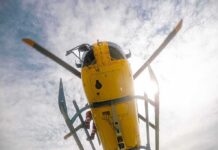
The story that grabbed attention was the seizure of the Iranian-associated cargo ship Touska near the Strait of Hormuz. Video and press releases show a U.S. guided missile destroyer disabling its propulsion after repeated warnings over roughly six hours, then Marines rappelling from helicopters to take control. President Trump publicly said the vessel tried to break the blockade and ignored a directive to halt before the Navy “stopped them right in their tracks by blowing a hole in the ship.” That is blunt language, and it matches the footage.
Central Command’s own release places the Touska operation inside a larger enforcement effort. Marines from the 31st Marine Expeditionary Unit also boarded the Iranian-flagged tanker Celestial Sea in the Gulf of Oman, suspecting it was heading toward an Iranian port in violation of the blockade. Other statements and reports describe tankers like Sea Star III, Sevda, Lavine, and Lexie being disabled after crews tried several times to reach Iran and refused multiple warnings. In some cases, a U.S. Navy jet or aircraft fired a Hellfire missile into the smokestacks or engine room to stop the ship before it crossed into Iranian waters.
Blockade enforcement as self-defense and as a message
American commanders connect these actions to Iranian attacks on civilian and commercial vessels in the Strait of Hormuz and nearby waters, saying they strike Iran’s missile sites and drone storage to protect shipping lanes. From a conservative, common-sense view, that fits a basic duty: you protect your people, your allies, and global trade from a regime that uses civilian ships as leverage. You do not let a government treat commercial lanes like hostage routes and then shrug at ships that keep feeding that system.
🇺🇸🇮🇷— CENTCOM diverts 12 commercial vessels attempting to breach naval blockade on Iran
🔴 US forces diverted 12 ships, disabled 2 that did not comply, and inspected 2 others as of July 25.
— The Global Observer (@TPObserver) July 26, 2026
At the same time, the blockade sends a message that sanctions and pressure are not just words on paper. Central Command’s updates on social media tally redirected vessels and disabled ships like a scoreboard. Footage of Marines boarding tankers and missiles hitting engine rooms tells Iran and the world that trying to slip cargo into Iranian ports now carries real risk. Older readers who remember Cold War convoys will recognize the logic: control the routes, and you squeeze the opponent’s war budget without putting American troops on every front line.
The murky parts: law, cargo, and competing stories
Some important facts remain foggy. The public record available here does not show the full legal document that authorizes the blockade, such as an executive order or a specific congressional authorization. It also does not include cargo manifests or detailed inspection results for ships like Touska, Lavine, or Lexie, so we cannot see exactly what was in the containers and tanks. That matters. A ship full of civilian goods looks different under international law than a ship packed with missile parts or dual-use electronics.
Iran calls these seizures “piracy” and claims the blockade violates a ceasefire, framing every disabled vessel as an unlawful attack. Western reporting, by contrast, mostly relays U.S. statements and dramatic military video while peace talks grind on in the background. For a reader trying to sort truth from spin, the safest ground is the facts both sides admit: U.S. warships and aircraft are stopping ships headed toward Iran, missiles have hit merchant hulls, Marines have boarded tankers, and Iran is angry enough to threaten retaliation.
What this means for ordinary people watching from shore
For someone scrolling news on a phone, this can look like distant action-movie footage. In reality, it touches energy prices, insurance rates, and the risk that a regional war drags in more countries. A blockade that has already redirected more than a hundred vessels and disabled several ships shows that Washington is willing to use force to keep pressure on Tehran even while diplomats talk. From a conservative standpoint, that matches a belief that peace talks work better when the other side knows you are serious.
The missing paperwork on cargo and legal authority should still bother anyone who cares about limited government and clear rules. Strong borders and firm defense do not mean blank checks. Congress, courts, and watchdogs need to see the memos, manifests, and warning logs behind these actions. Until that record is public, everyday Americans should pay attention but keep asking simple, fair questions: What was on those ships, who owned them, and exactly what law turned them into targets?
Sources:
facebook.com, aljazeera.com, euronews.com, nytimes.com, youtube.com, cnn.com, bbc.com, cbsnews.com
© integritytimes.com 2026. All rights reserved.