Supreme Court Justice Sonia Sotomayor publicly apologized for personally attacking colleague Brett Kavanaugh’s life experience, exposing raw tensions behind the court’s collegial facade.
Story Snapshot
- Sotomayor implied Kavanaugh’s professional parents blinded him to hourly workers’ realities in ICE stops case.
- Rare personal critique broke Supreme Court norms of harmony among justices.
- Apology issued April 15, 2026, via court channels after legal circles demanded accountability.
- Tied to 6-3 ruling allowing immigration enforcement using race, ethnicity proxies.
Case Sparks Ideological Firestorm
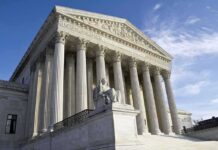
The Supreme Court in September 2025 granted a 6-3 stay in Noem v. Vasquez Perdomo. This lifted a lower court block on ICE stops in Los Angeles. Kavanaugh wrote a solo concurrence. He justified brief detentions even if based partly on apparent ethnicity, language, or low-wage job sites. Trump administration sought the ruling to resume aggressive enforcement. Liberals dissented, decrying racial profiling risks.
Sotomayor’s Kansas Remarks Ignite Clash
Sotomayor spoke at University of Kansas School of Law on April 7, 2026. She referenced Kavanaugh’s opinion without naming him. “This is from a man whose parents were professionals. And probably doesn’t really know any person who works by the hour,” she said. The comment questioned his grasp of working-class struggles in calling ICE stops “temporary.” First Hispanic justice invoked her roots against his perceived privilege.
Apology Restores Court Norms
Sotomayor issued a statement April 15, 2026, through the Supreme Court Public Information Office. “At a recent appearance at the University of Kansas School of Law, I referred to a disagreement with one of my colleagues in a prior case, but I made remarks that were inappropriate. I regret my hurtful comments. I have apologized to my colleague.” She avoided naming Kavanaugh. Private apology confirmed.
Legal analysts called the initial remarks unusual personal criticism. Kavanaugh allies in conservative circles pushed for the walk-back. Fox News highlighted regret for the attack on his perspective. No public response came from Kavanaugh. Justices reconvened for oral arguments April 20, 2026.
Trump-Era Enforcement at Core
Noem v. Vasquez Perdomo challenged a federal injunction. ICE targeted apparent race, ethnicity, Spanish speakers, and low-wage locations in California. Kavanaugh argued stops remain brief if probable cause emerges quickly. Sotomayor, Kagan, and Jackson dissented. They warned of Fourth Amendment violations against Latinos based on looks and jobs. Ruling enabled shadow docket stays favoring executive power.
Stakeholders split ideologically. Obama appointee Sotomayor championed marginalized views. Trump appointee Kavanaugh defended practical enforcement. 6-3 conservative majority held. Apology signaled deference to collegiality despite divides. Chief Justice Roberts implied oversight via court channels.
Implications Expose Deeper Rifts
Short-term, apology reinforces harmony, potentially chilling justices’ public candor. Long-term, it spotlights immigration tensions under conservative control. Latino communities face resumed ICE actions. Political debates reignite on Trump policies and judicial bias. Media amplifies class, race divides in court views. Common sense demands justices stick to law over personal jabs—Sotomayor’s retraction aligns with that restraint.
Sources:
Sotomayor apologizes for criticizing Kavanaugh over ICE arrests, in rare public Supreme Court clash
Justice Sotomayor apologizes to Justice Kavanaugh for public criticism on immigration
Sotomayor walks back remarks criticizing Kavanaugh, says comments ‘inappropriate’
Justice Sotomayor apologizes for ‘inappropriate’ remarks about Justice Kavanaugh
Sotomayor apologizes to Kavanaugh over ‘hurtful’ immigration remarks