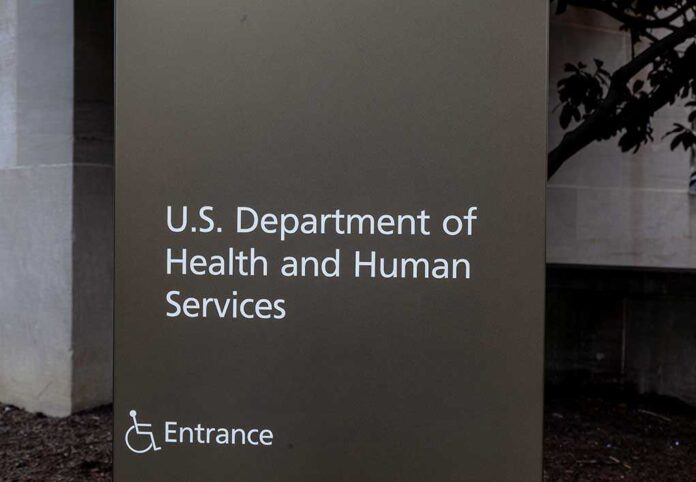
President Trump’s demand for public justification on COVID-19 vaccine policies from HHS Secretary, Robert F. Kennedy Jr., exposes deep divisions over health, government trust, and constitutional rights.
Story Snapshot
- RFK Jr., a vocal vaccine skeptic, confirmed as Secretary of Health and Human Services by a narrow Senate vote.
- President Trump insists Kennedy must publicly justify COVID-19 vaccine safety and efficacy, sparking debate.
- Kennedy’s “Make America Healthy Again” agenda targets chronic disease and nutrition, challenging legacy public health approaches.
- Bipartisan concerns arise about vaccine messaging and federal health agency credibility under Kennedy’s leadership.
RFK Jr.’s Unprecedented Rise at HHS
On February 13, 2025, Robert F. Kennedy Jr. was confirmed by a 52-48 Senate vote as Secretary of Health and Human Services, marking a historic shift in American health policy. Kennedy’s background as an environmental lawyer and outspoken vaccine critic makes his appointment a first for the agency, drawing public scrutiny and bipartisan skepticism. Kennedy’s tenure began with promises to clean up HHS and focus on chronic disease and nutrition, but his anti-vaccine reputation immediately triggered concern about future public health messaging and agency priorities.
Kennedy’s confirmation process highlighted fierce debate in Congress, with Republican support contingent on commitments to maintain vaccine safety oversight. Senator Bill Cassidy, for instance, backed Kennedy only after securing pledges to preserve key programs and transparency. Meanwhile, Senator Mitch McConnell, a polio survivor, opposed Kennedy over fears his leadership could undermine evidence-based vaccine initiatives and erode trust in immunization campaigns. Despite reservations, the Trump administration pressed forward, signaling a dramatic break from traditional public health leadership and agency orthodoxy.
Trump’s Demand for Vaccine Accountability
President Trump’s insistence that Kennedy publicly justify COVID-19 vaccine policies is a rare move for a sitting president. Trump’s direct challenge reflects growing conservative frustration with past government overreach, lack of transparency, and perceived fiscal mismanagement during the pandemic. The demand has intensified debates on vaccine mandates, pharmaceutical regulation, and individual liberty—issues central to Trump’s base. By holding HHS accountable, Trump aims to restore public trust and assert constitutional principles, particularly regarding medical freedom and limited government intervention.
Trump’s stance aligns with broader conservative concerns about the erosion of family values and constitutional rights under previous administrations. The push for public justification of vaccine policy echoes the demand for transparency and skepticism of “woke” health agendas that conservatives argue have dominated federal agencies. Kennedy’s history, including founding Children’s Health Defense and leading campaigns against pharmaceutical industry practices, further complicates the administration’s messaging to the public, healthcare providers, and Congress.
Impact on Health Policy, Public Trust, and Congress
The appointment of a prominent vaccine skeptic to lead HHS has far-reaching implications for public health, congressional oversight, and agency credibility. In the short term, Kennedy’s leadership subjects HHS policies to intense scrutiny, with potential shifts in vaccine communication and increased oversight by Senate committees. Congressional leaders have already emphasized the need for robust mechanisms to prevent the undermining of vaccine safety programs. Public health experts warn that Kennedy’s stance could erode confidence in immunization, particularly among vulnerable populations and those with chronic health conditions.
Long-term, Kennedy’s reforms may reshape agency priorities by focusing on nutrition, pollution, and chronic disease prevention. However, critics warn of heightened polarization over vaccine policy and the risk of increased misinformation. The pharmaceutical industry, healthcare providers, and advocacy groups are bracing for changes in regulatory scrutiny and public health campaigns. The broader impact will depend on Kennedy’s ability to balance reform with evidence-based practice, and on Congress’s willingness to assert oversight and maintain core public health protections.
Sources:
Robert F. Kennedy Jr. Confirmed as HHS Secretary Nearly Along Party Lines
Senate to Vote on RFK Jr.’s Confirmation for Health & Human Services Secretary
Congress.gov – Nomination of Robert F. Kennedy Jr.
Cassidy Delivers Floor Speech in Support of RFK Jr. to be HHS Secretary
Senate Finance Committee Advances RFK Jr. Nomination for HHS Secretary